

You've probably heard the word "agentic" in the past few months. It showed up in a vendor pitch, a LinkedIn post, a board update. Nobody in the room defined it clearly.
Here's the plain version: agentic AI is software that can take sequences of actions on its own — searching, writing, deciding, executing — without a human approving each step. It's not a chatbot you prompt. It's a system you point at a task and it runs.
That distinction matters for your headcount plan in a way most managers haven't been asked to address yet.
Why this is a budget question, not just a technology question
Standard AI tools — the kind your team is probably using now — are task-level: you ask, it answers, you decide what to do. The human is in the loop for every meaningful action.
Agentic systems are different. They handle multi-step workflows. They schedule, summarize, draft, send, log, flag — in sequence — without a person approving each move. A single agentic system can absorb work that previously took a coordinator several hours a day.
That makes it a capacity question, not just a productivity question. And capacity questions belong in your budget conversation.
The signal you should be watching
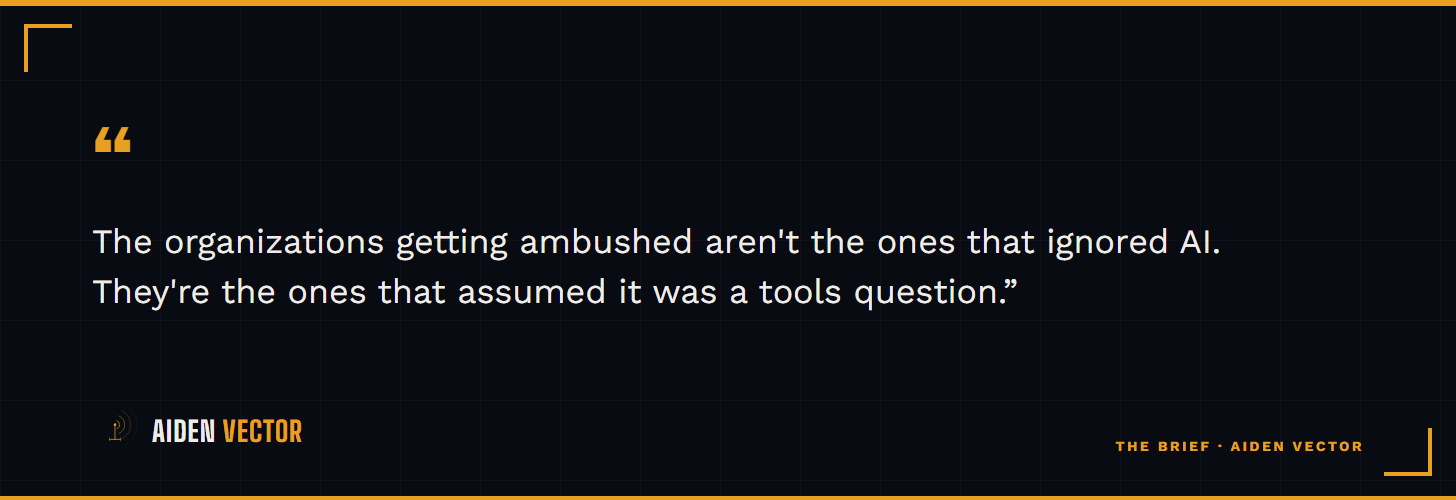
The organizations getting ambushed by this aren't the ones that ignored AI. They're the ones that assumed it was a tools question and left it off the headcount planning table.
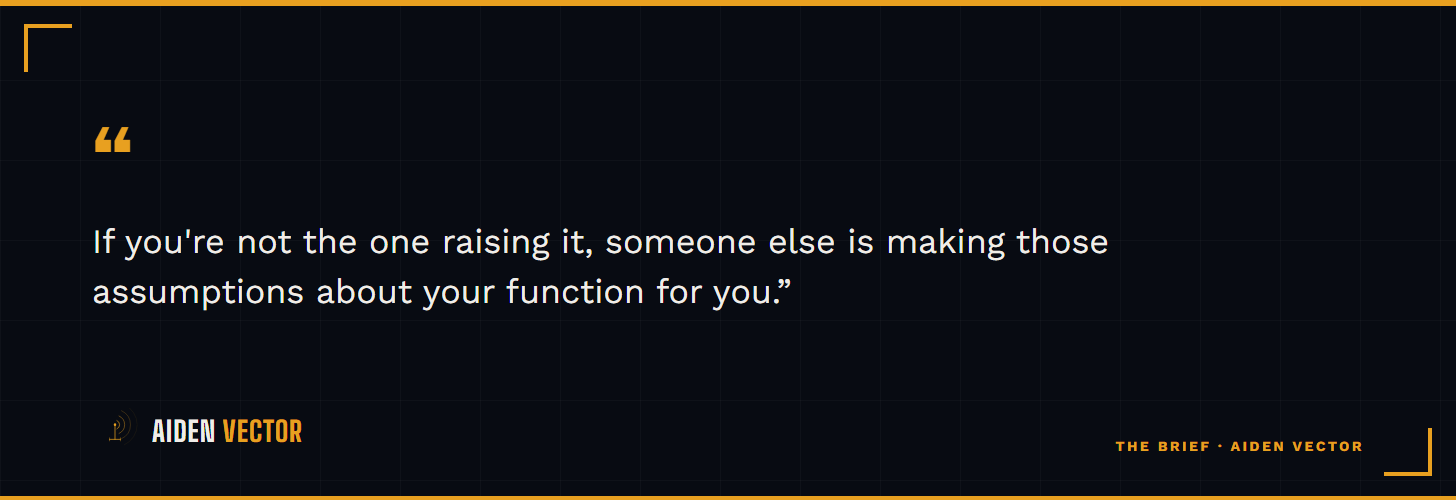
By the time agentic AI shows up in your approved vendor list, someone in finance or operations has already started modeling what it does to role scope. If you're not the one raising it, someone else is making those assumptions about your function for you.
The one question to raise before your next planning cycle
You don't need an AI strategy to ask this. You just need a planning conversation:
"If we can automate sequences of tasks — not just individual tasks — which roles in our team roadmap are we building for work that might look different in 18 months? And should that change what we're hiring for now?"
You're not proposing layoffs. You're not predicting the future. You're doing what budget owners are supposed to do: flagging assumptions that might be wrong before they're baked into a plan.
That question, raised in the room before the headcount model is locked, is the move.
The opportunity side
Agentic AI also means you can do more with the same team size — if you plan for it deliberately. A function that absorbs agentic tools into its workflows can take on more scope without headcount growth. That reads as efficiency at the leadership level. It also creates room to redirect your team toward higher-judgment work — the kind that doesn't get automated.
Threat and opportunity. Both are real. Neither cancels the other out.
Forward this to a fellow budget owner. This question belongs in the planning cycle before the headcount numbers are locked, not after.
P.S. — The Edge runs a deeper piece on this: how to build agentic AI into your operating model planning and what the role-scope implications actually look like across functions. If your planning cycle starts soon, worth having in hand.
This was a free one. There's a new one every week.
What's signal in the AI noise — and the move to make about it. No hype, no vendor pitch, no link dump.
Aiden Vector is an AI-assisted publication; this content is produced by AI under human editorial direction.